
The Supergreens Edit: Moringa
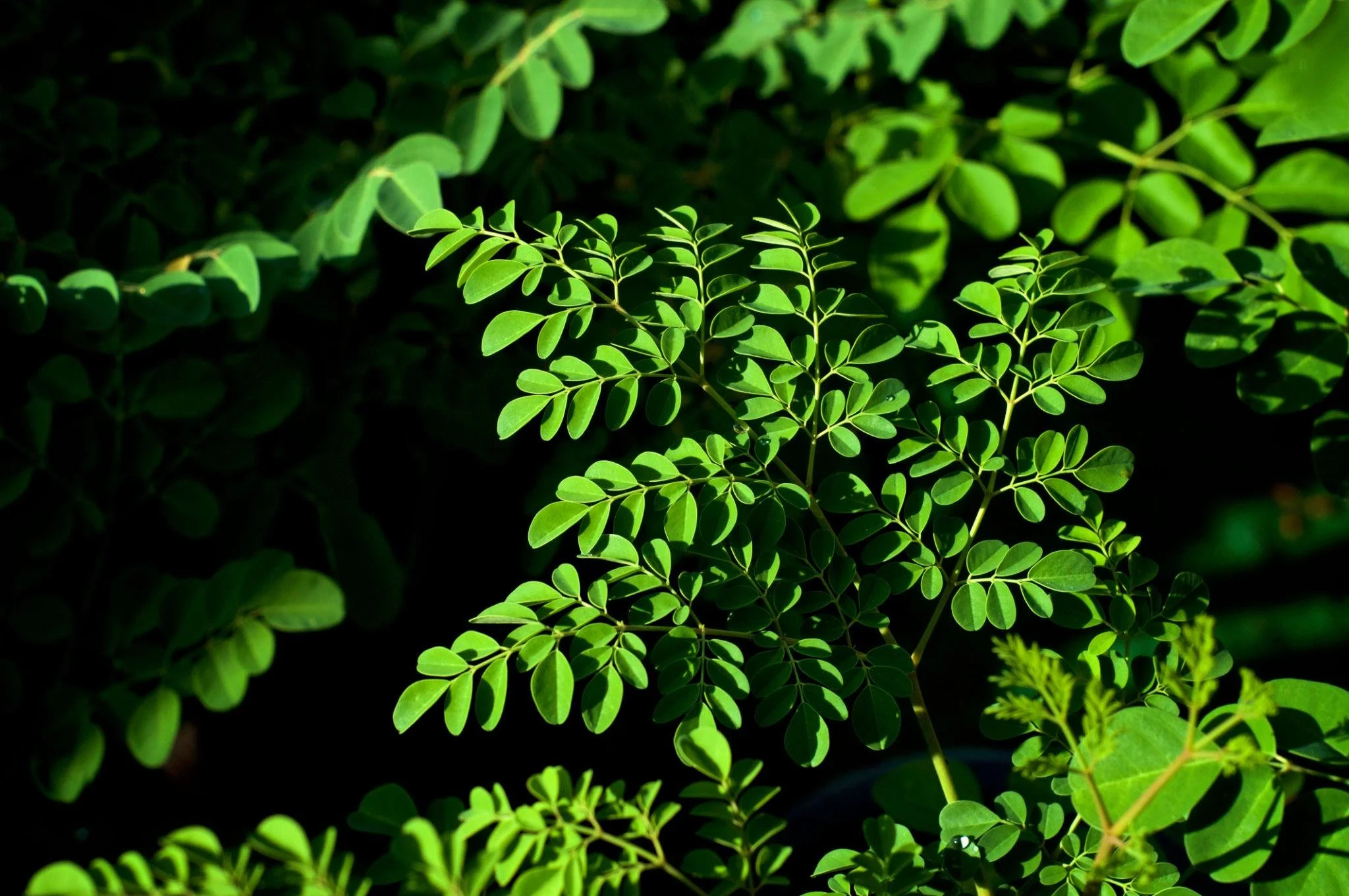
From roots to wellness, moringa rises beyond the trend.
In today’s wellness landscape, the most grounding botanical elements go beyond surface appeal they’re deeply rooted and thoughtfully understood. Moringa, often called a “supergreen,” is rich in essential nutrients and valued for its potential to support balance, vitality, and overall wellness.
What Is Moringa?
Moringa (Moringa oleifera) is a plant native to parts of South Asia and Africa. Its leaves are particularly rich in:
Vitamin C, A, and E (antioxidant support)
Calcium and iron (bone and blood health)
Polyphenols and flavonoids (anti-inflammatory compounds)
According to a review published in the Journal of Food Science and Human Wellness, moringa leaves contain significant levels of antioxidants that may help reduce oxidative stress in the body.
Evidence-Based Benefits
1. Antioxidant & Anti-Inflammatory Support
Moringa contains compounds like quercetin and chlorogenic acid, which have been shown to help reduce inflammation and oxidative damage.
2. Blood Sugar Regulation
Some studies suggest moringa may help lower blood glucose levels, making it relevant in metabolic health discussions.
3. Skin Health & Aging
The high antioxidant content (vitamins A, C, E) supports collagen production and may contribute to healthier skin over time.
4. Nutrient Density
Moringa is considered a highly nutrient-dense plant, often used in regions with limited food access to support overall nutrition.
How to Incorporate It
A clinical approach to daily use:
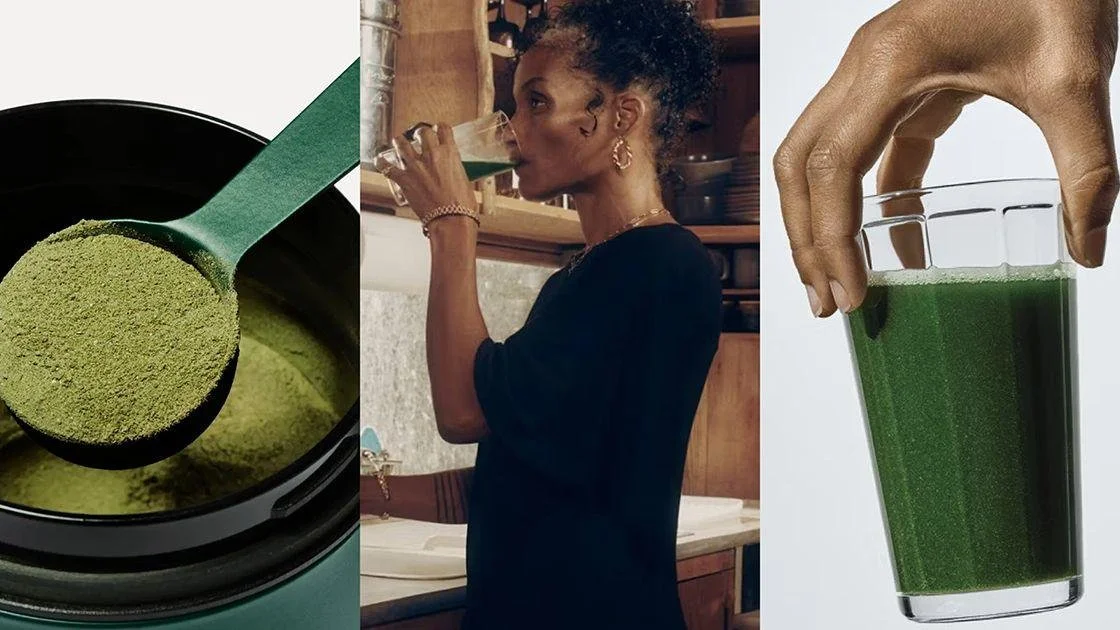
1–2 teaspoons of moringa powder in smoothies
Mixed into green juices or protein blends
Taken consistently for cumulative benefit
Considerations
While moringa is generally well-tolerated:
It should be used consistently, not excessively
Patients with medical conditions or on medications should consult a provider before use
It complements—but does not replace—clinical treatments
The Livin.Well Perspective
Our approach to wellness integrates aesthetic goals with clinical understanding. Moringa contains vitamins, minerals, and antioxidants that may support overall health when used consistently as part of a balanced routine.
References
Gopalakrishnan, L., Doriya, K., & Kumar, D. S. (2016). Moringa oleifera: A review on nutritive importance and its medicinal application. Food Science and Human Wellness, 5(2), 49–56. https://doi.org/10.1016/j.fshw.2016.04.001
Leone, A., Spada, A., Battezzati, A., Schiraldi, A., Aristil, J., & Bertoli, S. (2015). Cultivation, genetic, ethnopharmacology, phytochemistry, and pharmacology of Moringa oleifera leaves: An overview. International Journal of Molecular Sciences, 16(6), 12791–12835. https://doi.org/10.3390/ijms160612791
Vergara-Jimenez, M., Almatrafi, M. M., & Fernandez, M. L. (2017). Bioactive components in Moringa oleifera leaves protect against chronic disease. Phytotherapy Research, 31(10), 1517–1526. https://doi.org/10.1002/ptr.5887
World Health Organization. (n.d.). Moringa oleifera and its nutritional applications. https://www.who.int