Your skin is your body's largest organ and its most visible record of time. Every decade brings subtle, predictable changes to its structure, function, and appearance. Understanding what is happening beneath the surface is the first step toward caring for your skin at every age, not chasing an impossible standard of youth.
Skin aging is driven by two forces: intrinsic aging, the natural passage of time, and extrinsic aging, the cumulative effect of environmental factors like UV exposure, pollution, and lifestyle. Research shows that up to 80% of visible facial aging is attributable to extrinsic factors, which means much of how your skin ages is within your influence.
The Two Layers That Define Aging
To understand skin aging, it helps to understand skin structure. The skin has two primary layers: the epidermis, the outermost protective barrier, and the dermis, the deeper layer that provides strength, elasticity, and support.
The epidermis thins with age and becomes less effective at retaining moisture and defending against irritants. The dermis, where collagen and elastin fibers reside, loses density over time. Together, these changes produce the fine lines, sagging, and dryness commonly associated with aging skin.
Collagen and Elastin: The Scaffolding
Collagen is the protein that gives skin its firmness and structure. Elastin allows skin to stretch and bounce back. According to research published in Dermato-Endocrinology, collagen production begins to decline by approximately 1% per year starting in the mid-twenties, a gradual loss that accelerates after menopause in women due to declining estrogen levels.
As collagen and elastin degrade faster than they are replaced, skin loses its supportive framework. The result is thinner, less resilient skin that creases more easily and recovers more slowly from folding and stretching.
The Moisture Barrier Weakens
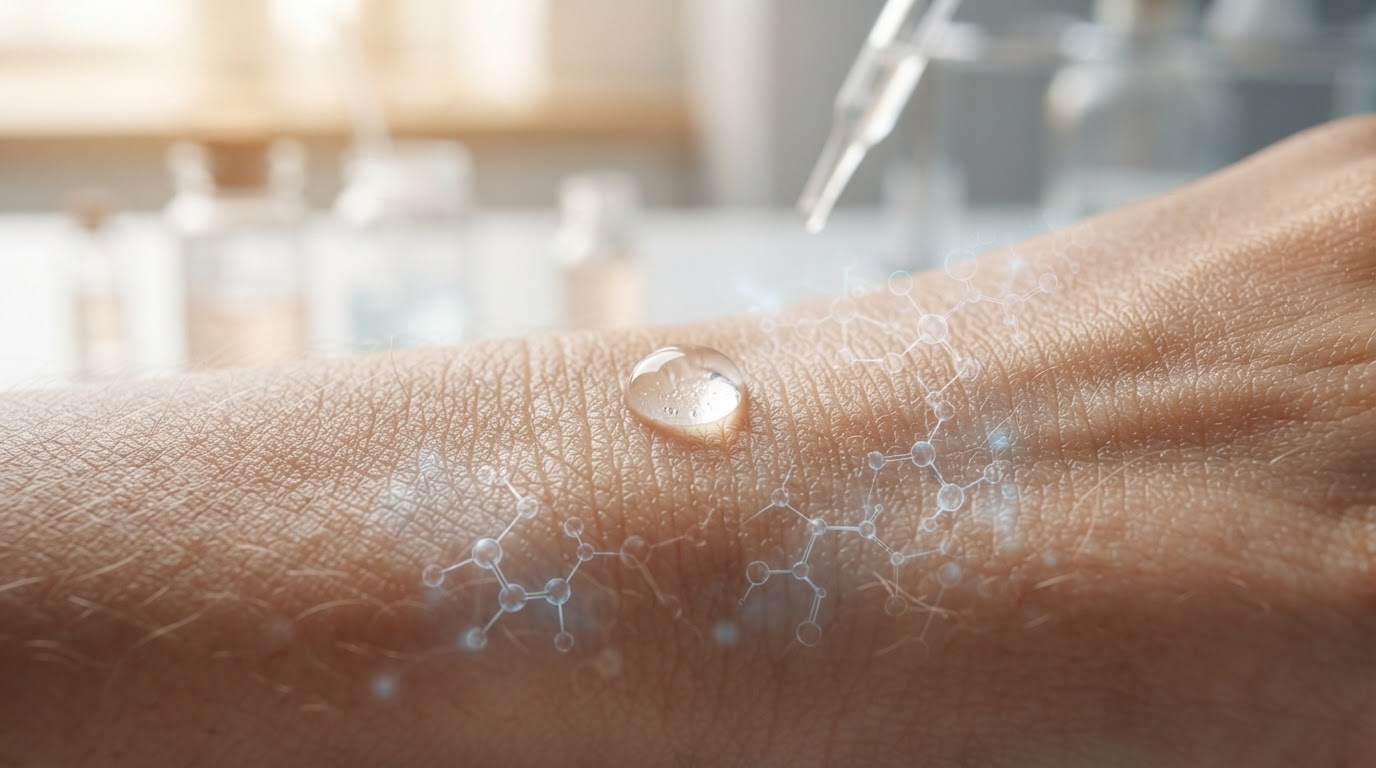
Aging skin produces less sebum, the natural oil that locks in moisture. At the same time, levels of hyaluronic acid, a molecule that holds up to 1,000 times its weight in water, decline in the dermis. The American Academy of Dermatology notes that this combination leaves older skin drier, rougher, and more prone to irritation.
A compromised barrier also means transepidermal water loss increases, meaning moisture escapes the skin more rapidly. This is why mature skin often benefits from richer moisturizers and humectant ingredients like glycerin and hyaluronic acid applied to damp skin.
Sun Damage: The Single Biggest Factor
Ultraviolet radiation is responsible for the majority of extrinsic skin aging, a process dermatologists call photoaging. UVA rays penetrate deep into the dermis, breaking down collagen and elastin through the generation of reactive oxygen species, or free radicals. UVB rays damage the epidermis and contribute to skin cancer risk.
The Skin Cancer Foundation reports that regular daily use of SPF 15 or higher can reduce the risk of squamous cell carcinoma by about 40% and lower the risk of melanoma by roughly 50%. Sun protection is not just a cancer-prevention measure; it is the most effective anti-aging intervention available.
Cell Turnover Slows Down
In young skin, the epidermis renews itself roughly every 28 days. By age 50 and beyond, that cycle can extend to 45 days or longer. Slower cell turnover means dead skin cells accumulate on the surface, leading to a duller complexion, rougher texture, and clogged pores.
This is why gentle exfoliation, whether through alpha-hydroxy acids like glycolic or lactic acid, or beta-hydroxy acid like salicylic acid, becomes more valuable with age. These ingredients help remove dead cell buildup and stimulate fresher, smoother skin to surface.
Pigmentation and Uneven Tone
Years of cumulative sun exposure also lead to uneven pigmentation. Sunspots, also called solar lentigines, appear as flat brown marks on areas repeatedly exposed to the sun, such as the face, hands, and chest. Post-inflammatory hyperpigmentation, dark marks left after acne or irritation, also tends to linger longer in mature skin because of slower turnover.
Ingredients like vitamin C, niacinamide, and retinoids are well-supported by clinical research for their ability to brighten and even out skin tone over time. Consistency matters more than intensity when addressing pigmentation.
What You Can Do at Every Age
While you cannot stop time, you can significantly influence how your skin ages. The most evidence-based strategies are also the simplest.
- Wear sunscreen every day. Broad-spectrum SPF 30 or higher is the single most effective anti-aging habit. Reapply every two hours when outdoors.
- Use a retinoid. Retinoids are the most studied topical anti-aging ingredient. They stimulate collagen production, accelerate cell turnover, and improve texture and tone. Start low and gradual to build tolerance.
- Add an antioxidant. Vitamin C serum in the morning neutralizes free radicals from UV and pollution and boosts the effectiveness of your sunscreen.
- Moisturize and hydrate. Support your barrier with ceramides, hyaluronic acid, and glycerin, especially in dry or cold climates.
- Protect lifestyle factors. Avoid smoking, which accelerates collagen breakdown, and limit alcohol, which dehydrates skin. Prioritize sleep, nutrition, and hydration.
Aging Is Not Damage
It is worth reframing how we think about aging skin. Lines and texture are not flaws; they are evidence of a life lived, expressions made, and years of experience. The goal of good skincare is not to erase age but to keep skin healthy, comfortable, and resilient for as long as possible.
Healthy skin at 60 looks different from healthy skin at 25, and that is exactly as it should be. The best routine is one you can sustain consistently, built on protection, hydration, and a few well-chosen actives, not an overwhelming shelf of products.
References
- Ganceviciene, R., Liakou, A. I., Theodoridis, A., Makrantonaki, E., & Zouboulis, C. C. (2012). Skin anti-aging strategies. Dermato-Endocrinology, 4(3), 308–319. https://doi.org/10.4161/derm.22804
- American Academy of Dermatology. (2024). How to care for aging skin. https://www.aad.org
- The Skin Cancer Foundation. (2024). Sun protection and skin cancer prevention. https://www.skincancer.org
- Quan, T., et al. (2010). Matrix-degrading metalloproteinases in photoaging and intrinsic aging. Journal of Investigative Dermatology Symposium Proceedings, 14(1), 20–24. https://doi.org/10.1038/jidsymp.2009.14
- Farage, M. A., Miller, K. W., Elsner, P., & Maibach, H. I. (2013). Characteristics of the aging skin. Advances in Wound Care, 2(1), 5–10. https://doi.org/10.1089/wound.2011.0356
- National Institutes of Health. (2023). Skin aging and oxidative stress. https://www.nih.gov
Disclaimer: This article is intended for educational and informational purposes only and does not constitute medical advice, diagnosis, or treatment. Individuals should consult a licensed dermatologist or healthcare professional for guidance specific to their skin and health needs.