
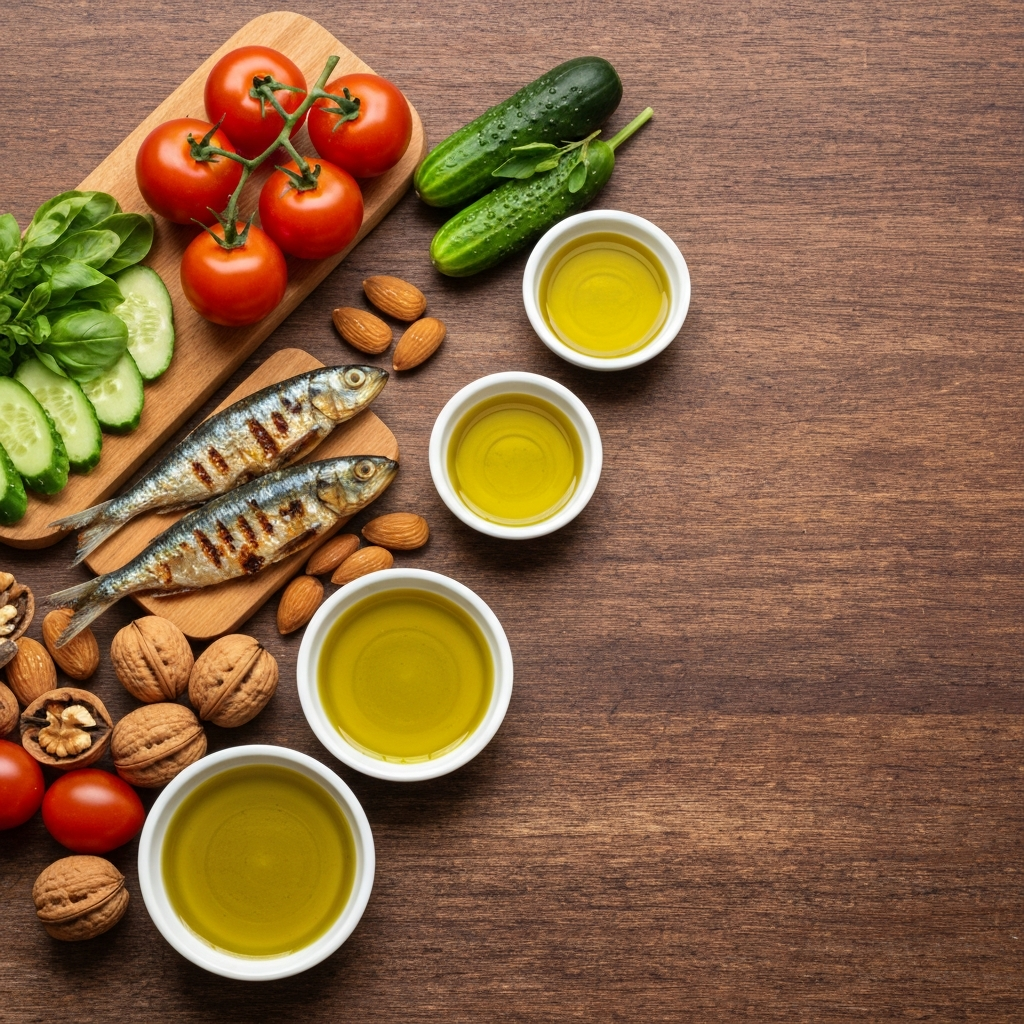
When it comes to nutrition, trends come and go with dizzying speed. But one dietary approach has consistently stood the test of time, backed by decades of rigorous scientific research: the Mediterranean diet.
Recently highlighted by researchers at the Harvard T.H. Chan School of Public Health, this way of eating isn't just about weight management—it's a comprehensive blueprint for longevity, cognitive preservation, and cellular health.
The Harvard Consensus: Beyond the Hype
According to extensive studies published and reviewed by Harvard experts, the Mediterranean diet consistently ranks as the top dietary pattern for overall health. Unlike restrictive fad diets, it emphasizes abundance, quality, and the joy of eating.
"The Mediterranean diet is more than a diet; it's a lifestyle," notes the Harvard Nutrition Source. It focuses heavily on plant-based foods, healthy fats, and lean proteins, creating a synergistic effect that combats chronic inflammation—the root cause of many age-related diseases.
Core Principles for Cellular Optimization
To truly harness the benefits cited by top nutritional scientists, focus on these foundational pillars:
- Healthy Fats as the Foundation: Extra virgin olive oil is the primary fat source, providing powerful antioxidants and monounsaturated fats that protect cardiovascular health.
- Plant-Forward Plates: Vegetables, fruits, legumes, nuts, and whole grains should make up the bulk of every meal, offering essential fiber for gut microbiome diversity.
- Strategic Protein Sourcing: Fish and poultry are consumed in moderation, while red meat and sweets are reserved for rare occasions.
- The Power of Polyphenols: A moderate intake of red wine (if you drink) and abundant use of fresh herbs and spices provide a massive dose of cellular-protecting polyphenols.
The Skin-Gut Connection
For LivinWell readers focused on aesthetics, the benefits extend far beyond internal health. The anti-inflammatory nature of the Mediterranean diet directly impacts skin health. High levels of Omega-3 fatty acids from fish and antioxidants from colorful vegetables help maintain the skin's lipid barrier, reduce redness, and promote a natural, lit-from-within glow.
Implementing the Science
Transitioning to this scientifically backed lifestyle doesn't require an overhaul. Start small: swap butter for high-quality olive oil, add an extra serving of vegetables to your dinner, and replace processed snacks with a handful of walnuts.
Scientific References & Further Reading
- Harvard T.H. Chan School of Public Health. "Diet Review: Mediterranean Diet." The Nutrition Source.
- Estruch, R., et al. (2018). "Primary Prevention of Cardiovascular Disease with a Mediterranean Diet Supplemented with Extra-Virgin Olive Oil or Nuts." The New England Journal of Medicine.